November 22, 2026
Vehicle ownership brings a sense of freedom and mobility, whether you prefer the enclosed comfort of a car or the open-air thrill of a bike. However, with that freedom comes the responsibility of securing adequate protection for yourself, your vehicle, and others on the road. While both forms of transit require financial protection, understanding the fundamental differences between policies is crucial for making informed decisions. Many people assume that insuring a two-wheeled machine is exactly the same as insuring a car, simply scaled down. This misconception can lead to inadequate coverage and unexpected out-of-pocket expenses following an incident. By examining the nuances of motorcycle insurance compared to traditional auto policies, you can ensure that you have the right safeguards in place. Recognizing these distinct elements extends beyond mere compliance with state laws; it is about tailoring your protection to fit the unique risk profiles and vulnerabilities associated with your chosen mode of transportation.
Primary Differences Impacting Liability Coverages
Liability coverage forms the foundation of any vehicle policy, paying for property damage and bodily injury you cause to others in an accident. For automobiles, states generally mandate higher minimum levels of liability protection due to the sheer size and weight of cars, which have a greater potential to inflict extensive damage on other vehicles and infrastructure. Conversely, bikes are much smaller and lighter, meaning they typically cause less damage to other vehicles or property in a crash. As a result, the liability limits required for motorcycle insurance are often lower than those required for passenger cars.
However, lower minimum requirements do not necessarily mean you should opt for the bare minimum. Because bike accidents often involve more severe injuries to the rider, the personal impact is substantial, even if the liability to third parties is minimized. When reviewing liability options, riders must consider their unique vulnerabilities and weigh them against the state minimums. Car drivers, dealing with heavy machines capable of multi-vehicle pileups, face a different set of liability considerations. Understanding these structural variations helps every driver and rider build a policy that accurately reflects their actual road risks rather than just meeting legal baselines.
Major Contrasts Impacting Comprehensive Safeguards
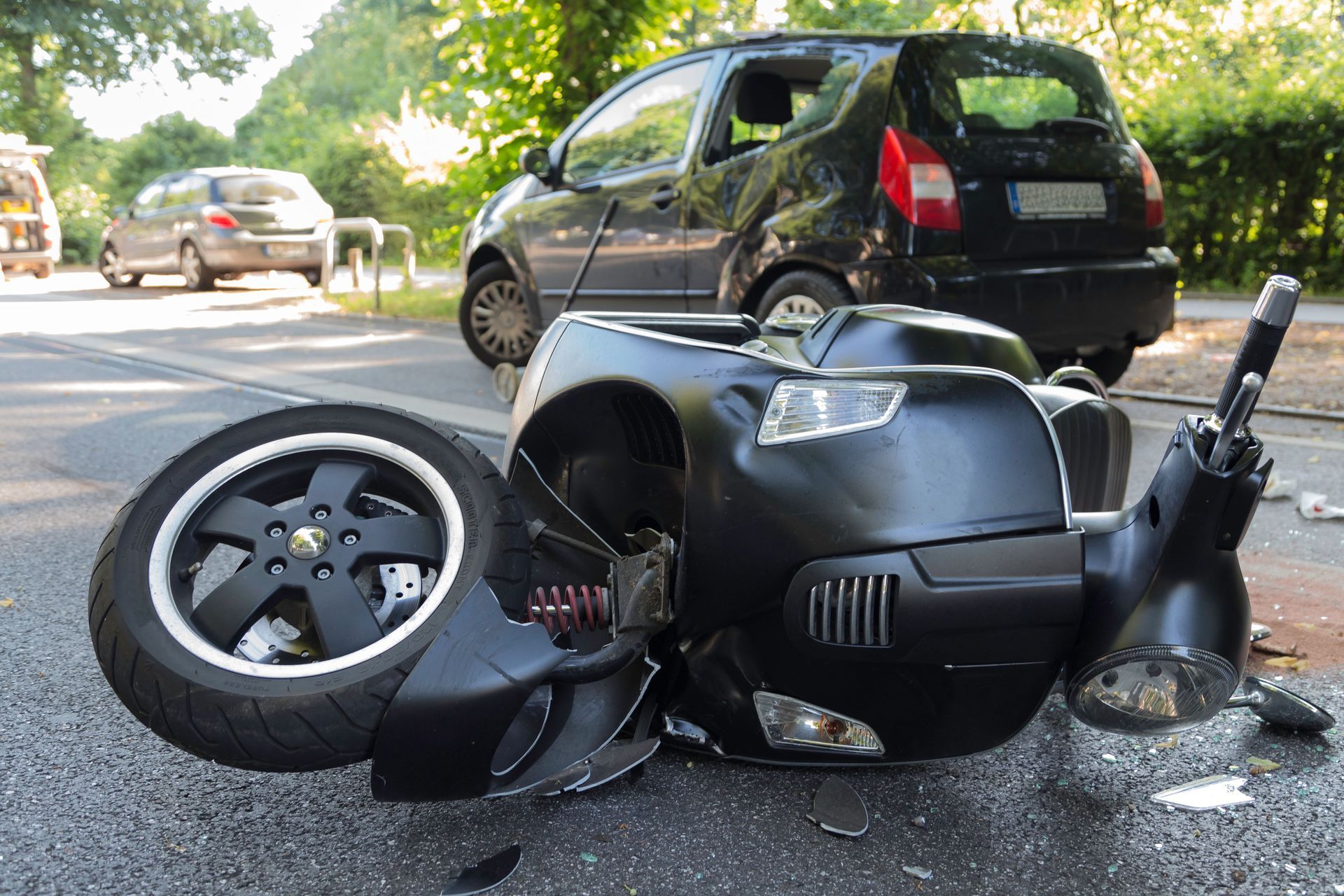
Beyond basic liability, collision and comprehensive coverages protect the vehicle itself, yet they function differently depending on what you drive. Collision coverage pays for damage resulting from an impact with another vehicle or object. For automobiles, collision claims often involve expensive repairs to complex body panels, sensors, and structural components. In contrast, while a bike might have a lower overall monetary value than a luxury car, it is inherently more fragile. A relatively minor accident that would merely dent a car bumper can easily total a bike.
Comprehensive coverage protects against non-collision events, such as theft, vandalism, fire, or weather damage. This is where motorcycle insurance often diverges sharply from car policies. Bikes are significantly easier to steal than cars; they can be lifted into the back of a truck and driven away in moments. Consequently, comprehensive claims for theft are a major concern for riders. While cars also face risks from theft and environmental damage, the ease with which a bike can be compromised makes comprehensive protection an essential consideration for riders. Balancing the cost of these coverages against the likelihood of a total loss is a critical step in customizing your policy.
Critical Variations Impacting Medical Payments
When it comes to bodily injury, the risks faced by car drivers and bike riders could not be more different. Automobiles are equipped with a vast array of safety features, including seatbelts, airbags, crumple zones, and a reinforced steel cage. These features are designed to protect occupants during a crash, significantly reducing the severity of injuries. Bikes lack all of these structural protections, leaving riders completely exposed to the elements and the pavement. Because of this extreme vulnerability, medical protections are heavily emphasized in any robust policy.
Personal injury protection and medical payments coverage help cover medical bills for you and your passengers, regardless of who is at fault in the accident. For car owners, personal injury protection might also cover lost wages and substitute services. However, because the likelihood of severe, life-altering injuries is exponentially higher for riders, medical payments coverage becomes a critical component of motorcycle insurance. Furthermore, protecting yourself from other drivers is paramount. According to the Insurance Information Institute, an estimated 1 in 8 drivers on U.S. roads — approximately 14% — is uninsured, with the uninsured motorist rate varying dramatically by state and creating a pervasive risk that every insured car and motorcycle owner faces whenever they share the road. Ensuring you have adequate medical and uninsured motorist coverage can prevent financial ruin following a devastating accident.
Key Discrepancies Impacting Premium Costs
The methods used by underwriters to calculate premium costs reveal significant differences between these two types of policies. For cars, underwriters evaluate a broad spectrum of variables, including the vehicle size, safety ratings, engine capacity, and the driver's daily commute. High-performance cars or luxury vehicles naturally attract higher premiums due to the elevated costs of parts and labor. Moreover, cars used for long daily commutes are exposed to rush-hour traffic, increasing the statistical likelihood of an incident.
On the other hand, the cost factors for motorcycle insurance are heavily influenced by the specific style of the bike and the rider's experience level. A heavy touring bike is assessed differently than a high-powered sportbike, as the latter is statistically associated with a higher frequency of severe accidents. Additionally, usage patterns play a unique role. While cars are typically driven year-round, many riders only take their bikes out during warmer months or on weekends. Experience also weighs heavily; taking safety courses and demonstrating years of accident-free riding can significantly lower premiums for riders.
Notable Divergences Impacting Specialized Equipment
The final major distinction lies in the specialized add-on coverages available for each type of vehicle. Car owners frequently purchase rental reimbursement or roadside assistance, which guarantees they are not left stranded or without a vehicle while their primary car is in the shop. While roadside assistance is also valuable for riders, the specific add-ons for a bike policy tend to focus on the unique investments riders make in their equipment and customization.
Many riders spend a considerable amount of money customizing their bikes with aftermarket parts, custom paint jobs, specialized exhausts, and upgraded electronics. Standard auto policies typically cover the vehicle as it rolled off the factory floor, but standard motorcycle insurance often includes or offers specific provisions for custom parts and equipment. Without this specialized add-on, a rider could lose all the money invested in customizing their machine if it is totaled or stolen. Furthermore, riders must invest heavily in protective riding gear, such as approved helmets, armored jackets, gloves, and boots. Specialized riding gear coverages are frequently offered alongside bike policies to ensure that this expensive, life-saving equipment is replaced if damaged in a crash, a concern that car drivers simply do not face.
Navigating the complex world of vehicle protection requires a clear understanding of the distinct differences between automobile and bike policies. From the foundational variations in liability and comprehensive coverages to the specialized needs surrounding medical payments, custom parts, and seasonal usage, each policy type is meticulously designed to address unique road risks. Recognizing your specific vulnerabilities and tailoring your protections accordingly is a great way to safeguard your financial future against the unexpected. Whether you commute daily in a sedan or spend your weekends cruising on a bike, generic, one-size-fits-all coverage will invariably leave dangerous gaps in your protection strategy. Securing the right motorcycle insurance or auto policy ensures you can enjoy the open road with complete peace of mind. For personalized guidance tailored to your specific riding or driving needs, call Wilcox & Reynolds Insurance today to learn more.