November 23, 2026
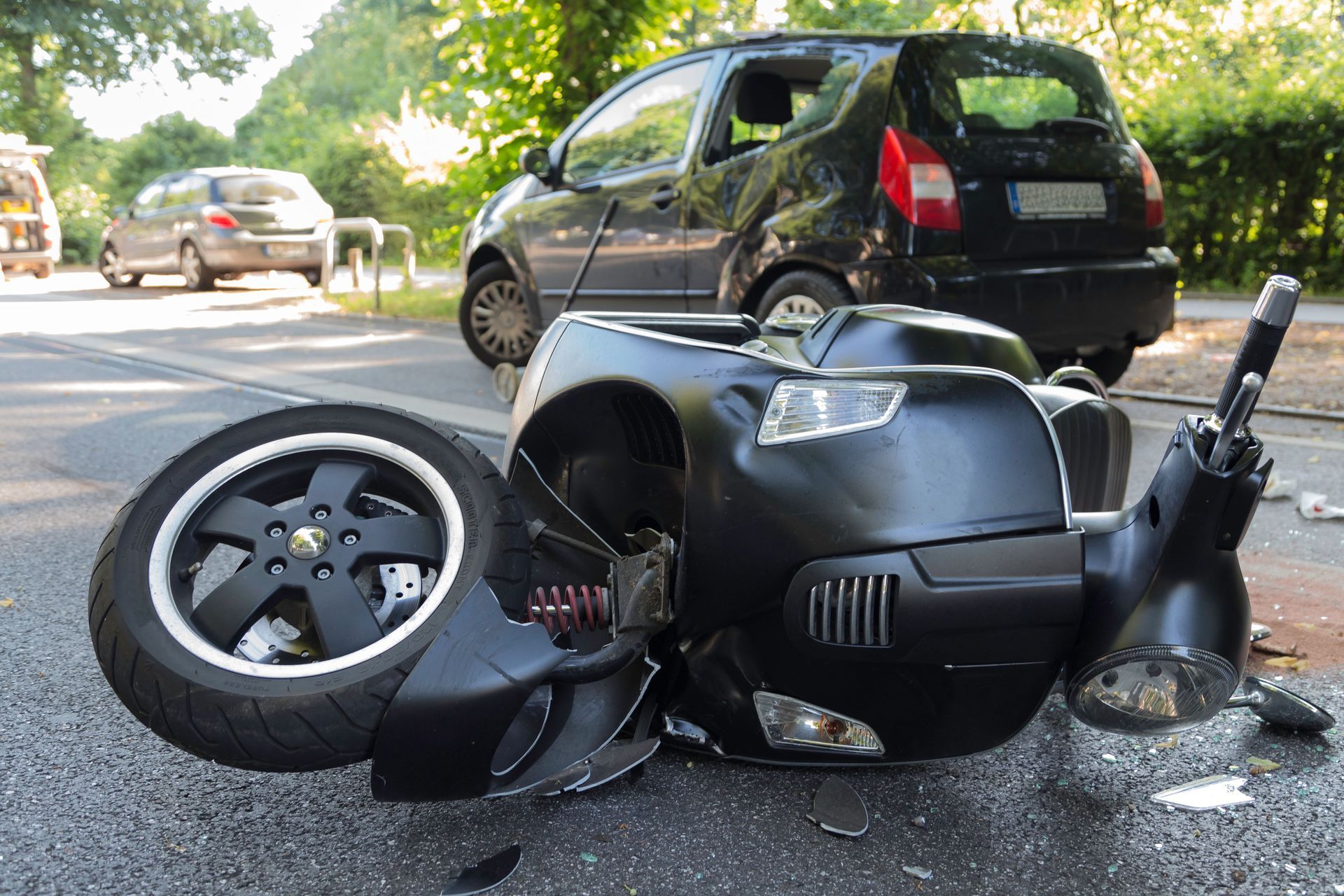
A motorcycle accident can be stressful, but the situation becomes even more complicated when the driver responsible for the crash does not have insurance. Even when another motorist causes the accident, you may face medical expenses, motorcycle repairs, lost income, and other unexpected costs. Without the right coverage, recovering financially can be challenging.
Motorcyclists face unique risks because they have less physical protection than people inside passenger vehicles. According to J.D. Power's Motorcycle vs. Car Accident Statistics Guide, motorcycle accidents carry an 80% injury or death rate, compared to approximately 20% for car accidents. Understanding your coverage options and choosing the right motorcycle insurance company can help you prepare for unexpected accidents.
Understanding the Risks of Uninsured Drivers
Not every driver follows state insurance requirements. Some motorists drive without insurance because of financial difficulties, suspended policies, or personal decisions. If one of these drivers causes a motorcycle accident, recovering compensation directly from them may be difficult.
Even when fault is clear, an uninsured driver may not have enough personal assets to cover your expenses. Medical treatment, rehabilitation, motorcycle repairs, and lost wages can quickly add up. Without adequate protection, these costs can create lasting financial challenges.
Motorcycle accidents can also involve expenses beyond immediate medical treatment. Riders may need physical therapy, follow-up appointments, prescription medications, or time away from work while recovering. These additional costs make having appropriate insurance protection especially important.
Understanding Uninsured Motorist Claims
When an uninsured driver hits your motorcycle, recovering compensation depends on your insurance coverage, state laws, and the circumstances surrounding the accident. If the other driver cannot provide insurance information, you may need to rely on your own policy. This is where uninsured motorist coverage becomes especially important.
Uninsured motorist bodily injury coverage may help pay for medical expenses, lost wages, and other covered damages. Some policies also offer uninsured motorist property damage coverage, which may help with motorcycle repairs or replacement costs. A knowledgeable motorcycle insurance company can explain which protections are available under your policy.
Without this coverage, you may have fewer options for recovering your losses through insurance. You could pursue a personal claim against the at-fault driver, but collecting compensation may be difficult if that person lacks sufficient financial resources. Even if a court determines that the other driver is responsible, receiving payment may remain a challenge.
Understanding Underinsured Motorist Protection
Some motorists carry insurance but choose coverage limits that are too low to cover the full cost of a serious motorcycle collision. When medical bills and other damages exceed the available liability limits, an injured rider may still face substantial expenses.
Underinsured motorist coverage may help bridge the gap between the responsible driver's available insurance and your eligible damages. The amount available depends on your policy limits, state regulations, and the specific circumstances of the claim.
An experienced motorcycle insurance company can help you determine whether underinsured motorist coverage makes sense for your situation. Reviewing your limits before an accident can help prevent discovering that your protection is insufficient when you need it most. Riders should also understand how their coverage coordinates with other available insurance benefits.
Exploring Additional Motorcycle Insurance Coverage
Uninsured motorist protection is important, but it is not the only coverage riders should consider. Combining different types of insurance can provide more comprehensive financial protection. Collision coverage may help pay for motorcycle damage after an accident, regardless of who is responsible, subject to your deductible and policy terms. Comprehensive coverage addresses certain non-collision events, including theft, vandalism, fire, and weather-related damage.
Medical payments coverage may help with eligible medical expenses following an accident. Liability coverage helps protect you financially if you cause an accident resulting in injuries or property damage to someone else. A motorcycle insurance company can explain how these protections work together and help identify potential gaps in your policy.
Motorcycle owners may also want to ask about coverage for custom parts, accessories, and specialized equipment. Standard policies may have specific limits for aftermarket additions, making it important to understand how your motorcycle's upgrades are insured. Reviewing these details can help you avoid unexpected out-of-pocket expenses if your bike is damaged or stolen.
Choosing the Right Motorcycle Insurance Provider
Selecting an insurance provider involves more than comparing monthly premiums. Riders should consider coverage options, policy limits, deductibles, customer service, and the company's approach to handling claims. These details can make a significant difference when an unexpected accident occurs. Motorcycles often have specialized equipment, aftermarket accessories, and replacement costs that differ from those of passenger vehicles. Working with an insurer familiar with motorcycle coverage can help ensure your policy reflects the actual value and use of your bike.
Claims assistance is another important consideration. After an accident, you may need help understanding documentation requirements, coverage limits, repair estimates, and the claims process. A provider that communicates clearly can make a difficult experience easier to manage.
It is also worth considering how easily you can reach your insurance provider when questions arise. Understanding your policy should not require guessing about exclusions or struggling to get answers. A dependable motorcycle insurance company should help you understand your options so you can make informed decisions about your protection.
Taking the Right Steps After an Accident
After a collision, prioritize your safety and medical well-being. Seek medical attention when necessary, even if your injuries initially seem minor. Some conditions may not become apparent until hours or days after an accident. If it is safe, contact law enforcement and document the accident. Gather the other driver's contact information, license plate number, and any available insurance details. Photographs of the accident scene, motorcycle damage, and visible injuries may also help support your claim.
Notify your insurance provider as soon as reasonably possible and explain that the other driver may be uninsured. Keep records of medical treatment, repair estimates, receipts, and other accident-related expenses. Your insurer can explain the claims process and identify which portions of your policy may apply. Avoid making assumptions about what your policy will cover before speaking with your insurer. Reporting the accident promptly and providing accurate information can help prevent unnecessary complications during the claims process.
Reviewing Your Motorcycle Insurance Coverage
Many riders do not think about uninsured motorist protection until they experience a collision. Unfortunately, waiting until after an accident to add coverage is too late for that particular incident. Reviewing your policy ahead of time gives you an opportunity to identify gaps and make informed decisions.
Consider whether your bodily injury limits are sufficient and whether your policy includes underinsured motorist protection. You should also review collision, comprehensive, and medical payments coverage to determine whether they meet your needs. A motorcycle insurance company can explain available options, deductibles, exclusions, and coverage limits.
Your insurance needs may also change over time. Purchasing a different motorcycle, adding accessories, changing how frequently you ride, or moving to another state can affect your coverage considerations. Periodically reviewing your policy helps ensure that your protection continues to reflect your circumstances. Understanding these details before an accident can help prevent unpleasant surprises when filing a claim. Choosing coverage based solely on the lowest premium may leave important financial risks unaddressed.
Protecting Yourself With the Right Insurance
Being hit by an uninsured driver can create serious financial and personal challenges, especially when motorcycle injuries require extensive treatment. Uninsured and underinsured motorist protection can provide an important financial safety net when another driver fails to carry adequate insurance. Choosing the right motorcycle insurance company means looking beyond the initial cost of a policy and considering the protection it provides. The right coverage can help you manage unexpected expenses and move forward after an accident with greater confidence. Contact Wilcox & Reynolds Insurance to learn more about motorcycle insurance options and coverage for uninsured and underinsured motorists. Their team can help you explore available policies, understand your coverage choices, and find protection that fits your needs, giving you greater peace of mind every time you ride.